
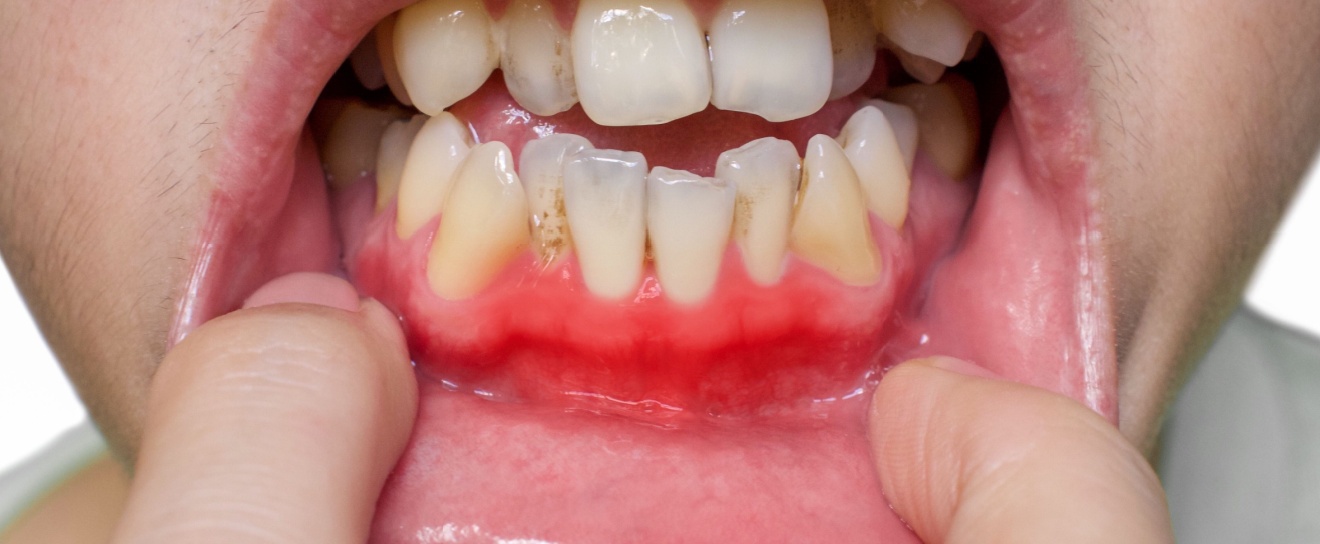
Gum disease is an infection of the tissues that support the teeth—the gums and the underlying bone. It is one of the most prevalent conditions in adult oral health, and it progresses through distinct stages that differ significantly in severity and treatment requirements. The critical factor is where in that progression a patient is when they seek care. Early-stage gum disease responds well to non-surgical treatment. Advanced gum disease causes permanent structural damage. Our gum disease treatment services at Coral West Dental address all stages, from initial diagnosis through ongoing maintenance.
What Causes Gum Disease
Gum disease begins with bacterial plaque—the sticky film that accumulates on teeth continuously. When plaque is not removed consistently through brushing and flossing, it builds up along the gumline and hardens into tartar. The bacteria in that buildup produce toxins that irritate and inflame the gum tissue. Over time, the inflammation causes the gums to pull away from the teeth, creating pockets where more bacteria accumulate below the gumline. As the disease progresses, the infection destroys the connective tissue and bone that hold the teeth in place.
Risk factors that increase the likelihood of developing gum disease include inconsistent oral hygiene, smoking, diabetes, certain medications that reduce saliva flow or cause gum overgrowth, hormonal changes, and genetic predisposition. Patients with a family history of gum disease are more susceptible regardless of how well they brush and floss. For a closer look at how family history connects to oral health, see our post on how family history impacts oral health.
The Stages of Gum Disease
Gingivitis
Gingivitis is the earliest and only reversible stage of gum disease. At this stage, the infection is limited to the gum tissue itself—no bone loss has occurred. Signs include red or swollen gums, bleeding during brushing or flossing, and persistent bad breath. Gingivitis responds well to a professional cleaning that removes the plaque and tartar driving the inflammation, combined with improved home care. With consistent treatment and maintenance, the gum tissue can return to a healthy state.
Mild to Moderate Periodontitis
When gingivitis is not treated, it advances to periodontitis. At this stage, the infection has moved below the gumline and is affecting the connective tissue and bone that support the teeth. Gum pockets deepen—the space between the tooth and gum tissue becomes deeper than the 1 to 3 millimeter range found in a healthy mouth. Patients may notice increased sensitivity, gums that look as if they are pulling away from the teeth, or teeth that feel slightly loose. Bone loss at this stage is not reversible, but the progression can be halted with appropriate treatment.
Severe Periodontitis
In advanced periodontitis, significant bone loss has occurred around one or more teeth. Teeth may be noticeably loose, shift in position, or become painful to chew on. Deep gum pockets are present throughout the affected areas. Without treatment, tooth loss becomes likely. At this stage, more aggressive intervention is required to stabilize the condition.
Treatment Options
Scaling and Root Planing
Scaling and root planing is the standard non-surgical treatment for periodontitis. It is a deep cleaning procedure that removes plaque and tartar from below the gumline and smooths the root surfaces to encourage the gum tissue to reattach to the tooth. It is typically completed over two or more appointments, often by quadrant, and is performed with local anesthesia for patient comfort. For many patients with mild to moderate disease, scaling and root planing is sufficient to bring the condition under control when followed by proper home care and regular maintenance visits.
Surgical Procedures
For patients with severe periodontitis where non-surgical treatment has not been sufficient, surgical options may be recommended. Pocket reduction surgery, also called flap surgery, allows the dentist to access areas below the gumline more thoroughly to remove deep deposits and reduce pocket depths. Gum grafts address areas where significant recession has exposed root surfaces, using tissue to restore coverage and protect the exposed roots from sensitivity and further damage.
Ongoing Maintenance
Gum disease is a chronic condition. Even after successful treatment, patients who have had periodontitis require more frequent professional care than those who have not—typically every three to four months rather than every six. Regular maintenance appointments monitor pocket depths, remove new buildup, and catch any signs of recurrence before the condition progresses again.
Schedule a Gum Disease Evaluation in Coralville
If you have noticed bleeding gums, persistent bad breath, or any of the signs described above, schedule an evaluation with our team. Early intervention produces the best outcomes. To book an appointment at Coral West Dental, visit our scheduling page.