
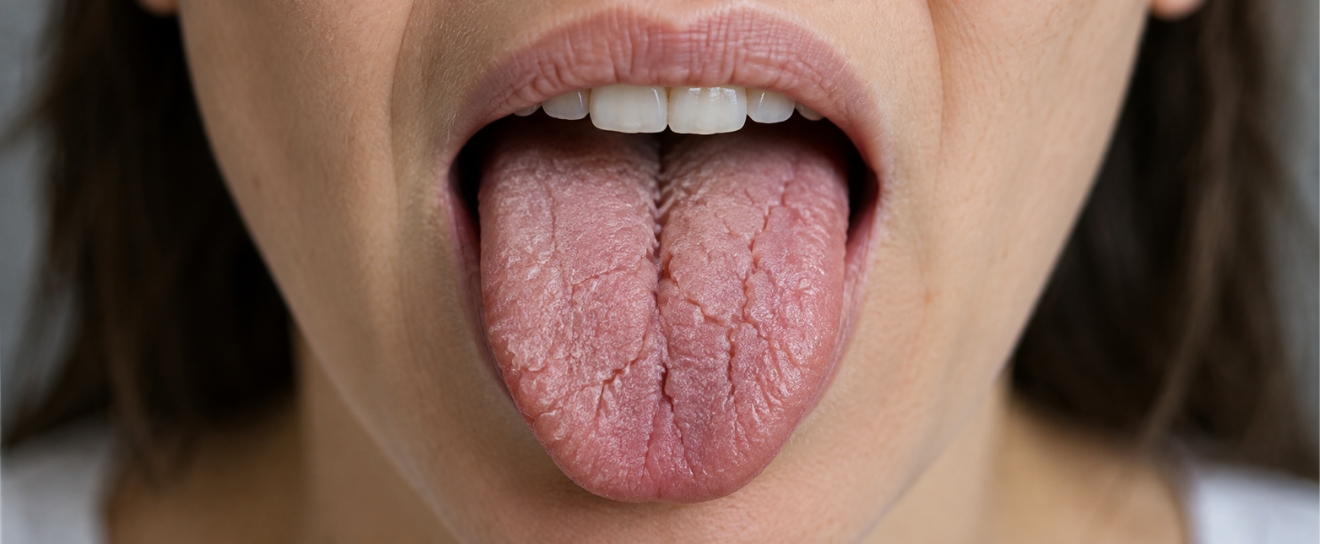
Dry mouth reduces the saliva that rinses away food, buffers acids, supports tooth minerals, and helps control bacteria. Ongoing dryness can increase the risk of cavities, gum irritation, bad breath, mouth sores, and difficulty chewing or swallowing. Coral West Dental’s oral hygiene care in the Coralville area can help identify oral changes linked to dry mouth and build a practical prevention plan.
Saliva Protects the Mouth Throughout the Day
Saliva coats teeth and soft tissues, makes food easier to chew and swallow, and begins the digestive process. It also helps clear sugars and food particles after meals. Minerals in saliva support enamel, while its buffering action reduces the effects of acids produced by oral bacteria.
When saliva flow decreases, plaque and food can remain against the teeth longer. Acids stay in contact with enamel, and cavities may develop quickly, especially near the gumline, on exposed roots, and around fillings or crowns. Denture wearers may notice rubbing or reduced stability because the tissues have less natural lubrication.
Dry Mouth Can Affect the Gums and Other Tissues
Gums may become tender, red, or easier to irritate. The tongue can feel rough or burning, and the corners of the mouth may crack. Some people develop thick or stringy saliva, altered taste, persistent thirst, or trouble speaking for long periods. Bad breath can become more noticeable when the mouth lacks its usual cleansing flow.
Low saliva can also make swallowing dry foods difficult. A person may sip sweetened beverages or suck on sugary candy for relief, which exposes the teeth to sugar throughout the day. Sugar-free choices offer moisture without feeding acid-producing bacteria.
Medications and Health Conditions Are Common Contributors
Many prescription and over-the-counter medications list dry mouth as a side effect. These include some medicines used for allergies, depression, anxiety, blood pressure, pain, bladder symptoms, and other conditions. Dehydration, mouth breathing, tobacco or nicotine use, radiation therapy involving the head and neck, and certain health conditions can also reduce saliva.
Bring an updated medication list to your dental visit, including supplements and nonprescription products. Your dentist can look for patterns and communicate with your physician when medication-related dryness is suspected. Keep taking prescribed medicine unless the clinician who manages it recommends a change.
Daily Steps Can Reduce Damage
Sip plain water regularly and keep water available at night if dryness wakes you. Sugar-free gum or lozenges may stimulate saliva when chewing and swallowing are safe for you. Products formulated for dry mouth can provide temporary comfort, and a dentist can recommend options that fit your symptoms.
Brush twice daily with fluoride toothpaste and clean between the teeth every day. The dentist may recommend a higher-fluoride product or additional preventive treatment for a person with elevated cavity risk. Limit frequent sugary or acidic drinks, including soda, sweet tea, sports drinks, and repeated sips of juice. Alcohol-containing mouth rinses can feel irritating for some people with dry tissues.
Humidifying the bedroom and addressing nasal congestion with a medical professional may help when nighttime mouth breathing contributes to dryness. Regular dental visits allow the team to monitor enamel, gum tissue, fillings, crowns, and exposed roots for early changes.
Dry Mouth at Night Can Be Easy to Miss
Morning thirst, a tongue that sticks to the teeth, cracked lips, or repeated waking for water can signal reduced saliva during sleep. Snoring, open-mouth sleeping, and some breathing disorders may contribute. Tell the dentist if a partner notices loud snoring or pauses in breathing so the team can recommend appropriate medical follow-up.
Keep nighttime drinks unsweetened. Cough drops, mints, and bedside beverages that contain sugar can bathe the teeth for hours when saliva flow is naturally low. Sugar-free options and plain water reduce that added exposure.
Saliva Stimulants and Moisturizers Serve Different Purposes
Chewing gum and lozenges stimulate the salivary glands when they can still produce saliva. Moisturizing gels, rinses, and sprays mainly provide temporary lubrication. A dentist can help you choose between them and check whether an ingredient irritates sensitive tissues. People with swallowing difficulty, jaw pain, or choking risk should ask a clinician before using gum or lozenges.
Tell Your Dentist When Dryness Persists
Make an appointment when dry mouth lasts for weeks, disrupts eating or sleep, causes sores, or appears with rapid cavity development. Seek medical guidance for symptoms such as persistent dry eyes, joint concerns, frequent urination, or unexplained changes elsewhere in the body because they may point to a broader health issue.
Coral West Dental also considers the connection between mouth and gut health as part of comprehensive care. Dryness, diet, medications, and digestive symptoms can overlap, so a complete health history helps the team understand the full picture without assuming one cause.
Daily dry mouth or unusual tooth sensitivity is worth discussing at a dental visit. Schedule an evaluation with Coral West Dental so we can examine the tissues, assess cavity risk, review likely contributors, and recommend protective steps.