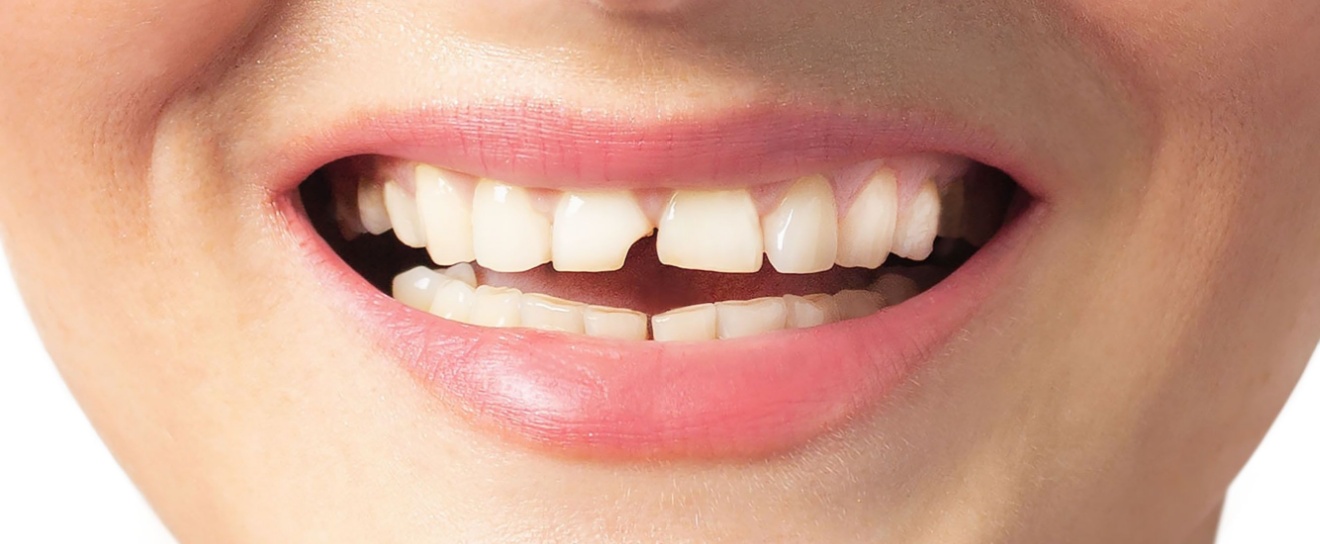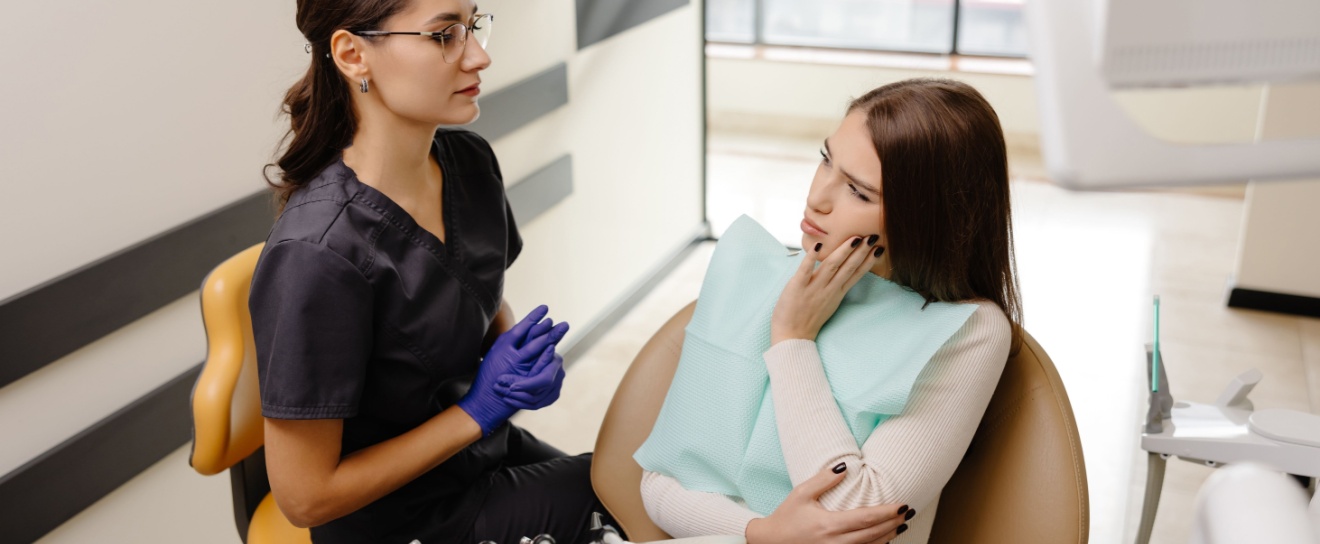

Pain when you bite can come from a cracked tooth, a loose or damaged filling, decay, inflammation around the tooth’s nerve, gum problems, or an uneven bite after dental work. The location and timing of the pain provide useful clues, but an examination is the reliable way to identify the cause. Coral West Dental offers emergency dental care in Coralville when biting pain is severe, sudden, or connected to swelling or injury.
Sharp Pain Can Point to a Crack or Damaged Restoration
A crack may open slightly as you bite and move again when you release pressure. That movement can irritate the inner tooth and create a brief, sharp sensation. Cracks are often difficult to see, and the pain may appear only with certain foods or at a particular angle.
An older filling, crown, or other restoration can create a similar pattern if it has loosened, fractured, or stopped sealing the tooth well. Food may press into an exposed area, or the restoration may shift under chewing pressure. A dentist can inspect the tooth, evaluate the restoration, and decide whether it can be adjusted, replaced, or repaired through another treatment.
A Recent Filling May Feel High
After a filling or crown is placed, the treated tooth may contact the opposing tooth sooner than the surrounding teeth. Even a small difference can concentrate pressure in one spot. The tooth may feel tender each time you close your mouth or chew, and you may sense that the bite lands unevenly.
Call the dental office when a recent restoration feels high or biting discomfort persists. A dentist can check how the teeth meet and make a precise adjustment when appropriate. Continued chewing on a high point can keep the ligament around the tooth sore.
Decay and Pulp Inflammation Can Cause Pressure Pain
Tooth decay can weaken enamel and dentin while allowing irritation to move closer to the pulp, which contains the tooth’s nerves and blood vessels. Biting pressure may trigger pain once the tooth is structurally weakened or the pulp becomes inflamed.
Pay attention to other symptoms. Lingering sensitivity to heat or cold, spontaneous throbbing, nighttime pain, swelling, or a bad taste can indicate a deeper problem. Arrange prompt evaluation because treatment choices depend on the amount of healthy tooth structure and the condition of the pulp.
The Tissue Around the Tooth May Be Sore
Each tooth is supported by a thin periodontal ligament that helps absorb chewing forces. Clenching, grinding, an injury, or an uneven bite can strain this tissue. The tooth may feel bruised, slightly raised, or tender when tapped. Gum inflammation and infection around a tooth can also make pressure uncomfortable.
Pain from the jaw muscles or the joint in front of the ear can sometimes feel like tooth pain. Sinus inflammation may create pressure around upper back teeth. A careful examination helps separate these possibilities from a problem inside one specific tooth.
Details to Share During Your Appointment
Before your visit, notice whether the pain occurs while biting down, when releasing the bite, or both. Identify the foods that trigger it and whether temperature changes also hurt. Tell the dentist about recent dental work, an impact on the mouth, nighttime grinding, or a habit of chewing ice and other hard items.
The dentist may inspect the tooth under bright light, test individual biting surfaces, tap the tooth gently, examine the gums, check the bite, and take X-rays when they are useful. Cracks may require several forms of testing because very small fracture lines do not always appear on an X-ray.
Pain that seems to move between teeth is especially difficult to diagnose at home. Testing one tooth at a time helps the dentist avoid treating the wrong area.
Protect the Tooth Until It Is Evaluated
Chew on the other side and choose foods that place less force on the sore tooth. Skip ice, hard candy, popcorn kernels, and very sticky foods. Continue brushing gently and clean between the teeth unless the area is too painful. Over-the-counter pain medication may help when used according to the label and your health care provider’s guidance.
Coral West Dental provides comprehensive dental care for Coralville families and can determine whether biting pain comes from the tooth, a restoration, the gums, or the way your teeth meet. Early evaluation may allow a simpler solution and can reduce the risk of further damage.
A tooth that hurts when you bite needs a clear diagnosis. Schedule an appointment with Coral West Dental, and call promptly for swelling, fever, severe pain, a recent injury, or a tooth that feels loose or broken.