
Tooth sensitivity is one of the more common complaints patients bring up at dental appointments—and one of the more frequently dismissed ones, since it tends to come and go and rarely seems urgent. A brief, sharp pain when you drink something cold or bite into something sweet is easy to rationalize as normal. In most cases it is not. Sensitivity is a symptom, and identifying what is causing it is the first step toward addressing it. Our oral hygiene and preventive care services at Coral West Dental include evaluation of sensitivity as part of routine exams for patients in Coralville.
How Tooth Sensitivity Works
The outer layer of a tooth above the gumline is enamel—a hard, non-porous material that insulates the inner structures of the tooth. Below the gumline, the tooth root is covered by cementum, a softer material. Beneath both is dentin, a layer riddled with microscopic tubules that connect to the nerve of the tooth. When enamel or cementum is intact, dentin is protected and the nerve is insulated from temperature, pressure, and acidity. When that outer layer is compromised—through erosion, recession, decay, or damage—dentin becomes exposed, and those tubules transmit sensations directly to the nerve. That transmission is what causes the sharp, brief pain associated with sensitivity.
Common Causes
Enamel Erosion
Enamel erodes when the tooth surface is exposed to acid repeatedly over time. Dietary acids from citrus fruits, vinegars, and carbonated beverages are common sources. Acid reflux, which brings stomach acid into the mouth, can cause significant enamel erosion over time in patients who experience it frequently. Once enamel is lost, it does not regenerate. The focus shifts to protecting what remains and reducing further exposure.
Gum Recession
When gum tissue recedes, it exposes the root surface of the tooth below the enamel line. Root surfaces covered only by cementum are more sensitive to temperature and touch than the enamel-covered crown. Recession can result from aggressive brushing technique, gum disease, tooth grinding, or, simply, genetics. Sensitivity along the gumline—particularly on specific teeth—is often a sign that recession has occurred.
Tooth Grinding
Bruxism—grinding or clenching the teeth, often during sleep—gradually wears down enamel on the biting surfaces. Patients who grind often report sensitivity across multiple teeth simultaneously, along with soreness in the jaw muscles upon waking. A custom nightguard, fitted to your bite, is the standard management approach and prevents further enamel loss.
Tooth Decay
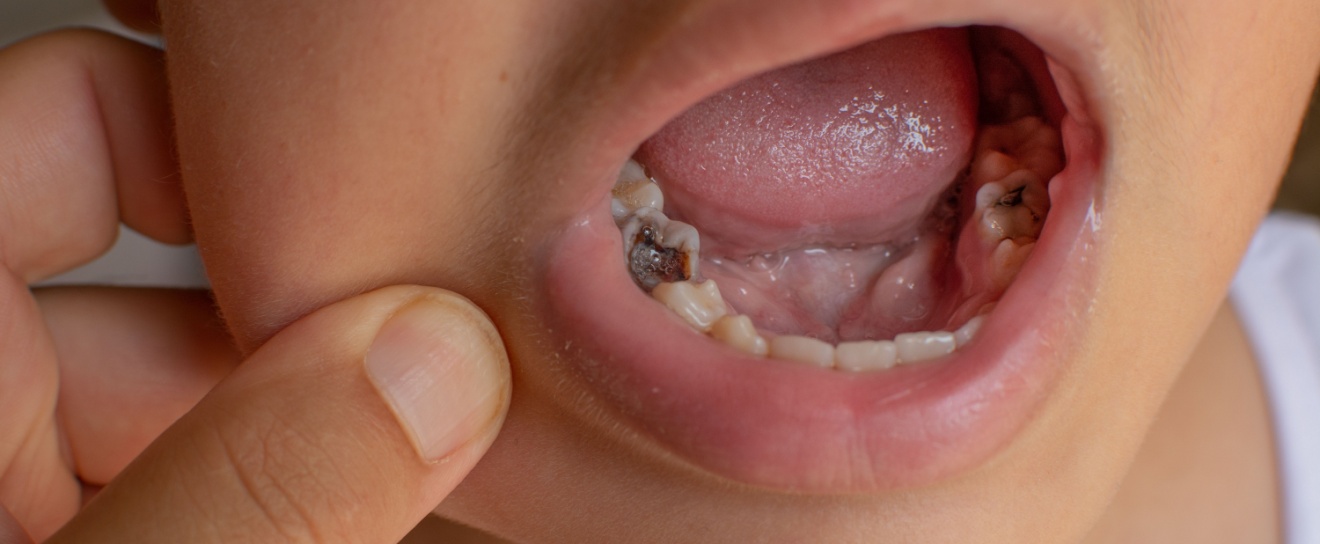
A cavity that has progressed far enough into the tooth creates sensitivity, particularly to sweet foods and temperature. If sensitivity is localized to a single tooth and has developed recently, decay is one of the first things to rule out at an exam. Early-stage decay is treated with a filling before it reaches the nerve. Left untreated, it progresses to a point that requires more extensive intervention.
Cracked or Chipped Teeth
A crack in the tooth—even a hairline crack not visible to the naked eye—can cause sharp, localized pain when biting down or when exposed to temperature change. Cracked tooth syndrome can be difficult to diagnose because the pain is often inconsistent. An exam with bite testing and clinical instruments can usually identify the source.
Recent Dental Treatment
Sensitivity following a filling, crown placement, or deep cleaning is common and typically temporary. The tooth has been worked on, and the nerve may be irritated for a few days to several weeks. If sensitivity from a recent procedure persists beyond a few weeks or worsens rather than improving, it should be evaluated.
Treatment Options
Treatment depends entirely on the cause. Desensitizing toothpaste—which contains compounds that block the dentinal tubules or reduce nerve excitability over time—provides relief for mild generalized sensitivity but does not address the underlying cause. It is a management tool, not a fix.
For recession-related sensitivity, fluoride varnish applied at dental appointments strengthens and partially seals exposed root surfaces. Significant recession that is causing ongoing problems may warrant a gum graft to restore tissue coverage. For enamel erosion, reducing the frequency of acid exposure and using a fluoride regimen helps protect what remains. For decay or cracks, the appropriate restorative treatment resolves the sensitivity once the tooth is properly addressed.
When to Get It Checked
Sensitivity that has developed recently, is localized to one or two teeth, is sharp and triggered by biting pressure, or is accompanied by any swelling should be evaluated promptly. Sensitivity that is mild, generalized, and consistent with known causes—like enamel erosion from diet—can be discussed at your next routine appointment. Either way, it should be on the agenda. To schedule an exam at Coral West Dental in Coralville, book your appointment online.