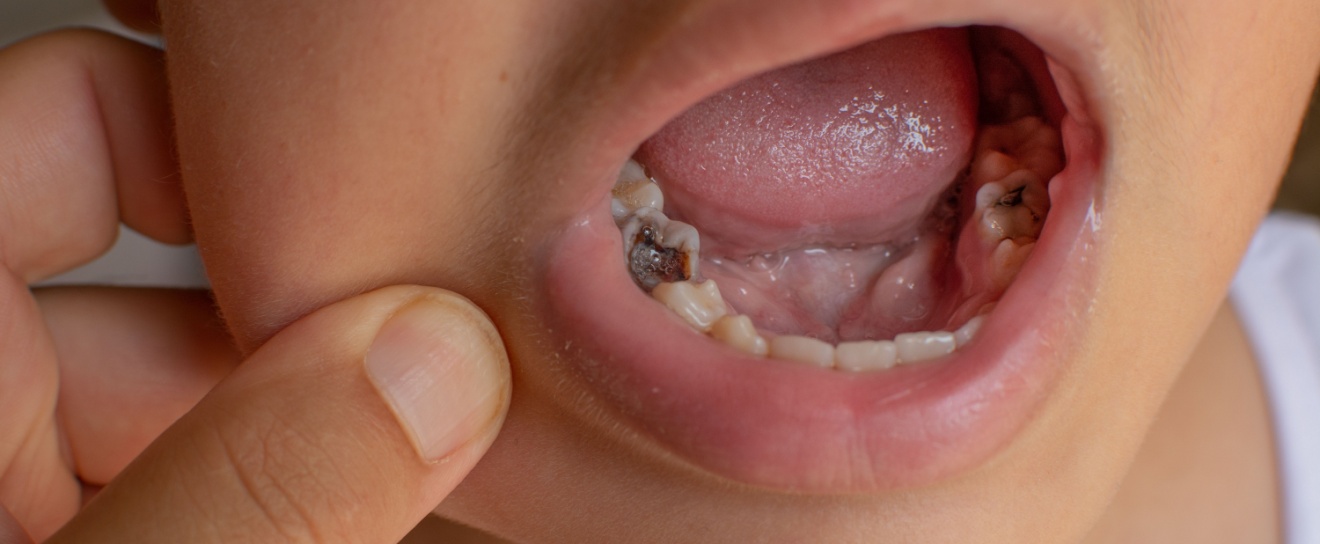
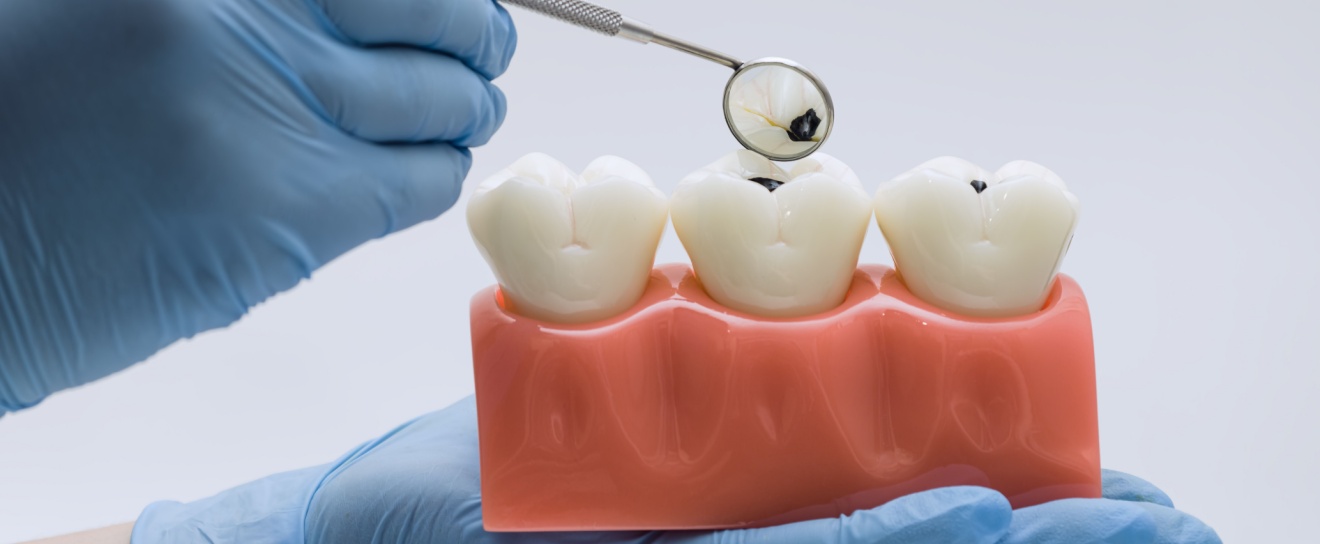
Cavities are the most common dental problem in the United States, affecting patients of every age. They develop through a process that is well understood and, in most cases, largely preventable. Understanding what is actually happening when a cavity forms gives you a clearer picture of what your home routine should accomplish and where professional care fits in. Our oral hygiene services address both the prevention and early treatment of decay for patients throughout Coralville and Johnson County.
How Cavities Form
The mouth contains bacteria that feed on sugars and carbohydrates. When these bacteria metabolize sugar, they produce acid as a byproduct. That acid attacks the mineral structure of tooth enamel—the hard outer layer of the tooth. Each acid exposure event causes a small amount of mineral loss. Saliva naturally works to neutralize the acid and redeposit minerals back onto the enamel surface, a process called remineralization. When acid attacks are frequent enough or severe enough to outpace remineralization, the enamel begins to break down. A cavity forms when that breakdown creates a permanent opening in the tooth surface.
The key variables are the frequency of sugar exposure, the amount of plaque present, how acidic the oral environment is, the quality of home care, and individual factors like saliva quantity and enamel strength. Some patients are more cavity-prone than others because of differences in these factors—not simply because of how well they brush.
Where Cavities Develop
Cavities form most commonly in three locations:
- Chewing surfaces of the back teeth: The grooves and pits in molars and premolars trap food and bacteria. These are the most cavity-prone surfaces and are the reason sealants are often recommended for children.
- Between teeth: Areas where two teeth contact each other are not reached by brushing. Plaque that builds up in these spaces is the primary reason flossing is important.
- Along the gumline: Where the tooth meets the gum, plaque accumulates and can cause decay at the root surface, particularly in patients with gum recession or dry mouth.
What Decay Looks Like at Each Stage
Early decay begins as a weakening of the enamel surface without a visible hole. At this stage, it may be detectable on x-rays and can often be reversed with fluoride treatment and improved home care before it progresses to a cavity requiring a filling. Once decay breaks through the enamel and progresses into the layer beneath—called dentin—it accelerates, because dentin is softer and more permeable than enamel. At this stage, a filling is needed. If left untreated further, decay reaches the pulp of the tooth—the inner layer containing nerves and blood vessels—causing significant pain and requiring root canal treatment or extraction. For a closer look at what untreated dental problems lead to over time, see our post on 4 habits to develop for optimal oral health.
Prevention
The following measures directly reduce cavity risk:
- Brushing twice daily with fluoride toothpaste: Fluoride strengthens enamel and supports remineralization. Using a fluoride toothpaste consistently is one of the most effective cavity prevention measures available.
- Flossing once daily: Flossing removes plaque from between teeth—surfaces that brushing does not reach. Skipping flossing leaves a significant portion of each tooth’s surface unaddressed.
- Reducing the frequency of sugar and acid exposure: Eating sugary or acidic foods at meals rather than snacking on them throughout the day reduces the number of acid exposure events the teeth experience. Sipping sugary beverages continuously throughout the day creates an extended acid environment that significantly increases cavity risk.
- Staying hydrated: Saliva is the mouth’s natural defense against decay. Chronic dry mouth—whether from medication, medical conditions, or inadequate hydration—reduces the mouth’s ability to buffer acid and remineralize enamel.
- Professional fluoride treatments: Applied at dental appointments, professional fluoride treatments provide a higher concentration of fluoride than toothpaste and offer an additional layer of protection, particularly for cavity-prone patients.
- Dental sealants: Sealants are thin protective coatings applied to the chewing surfaces of back teeth. They are most commonly recommended for children and teenagers but can also benefit cavity-prone adults.
Why Professional Exams Still Matter
Even patients with excellent home care benefit from regular exams. Early decay is silent—it causes no pain and produces no visible change until it has progressed well into the tooth. X-rays taken at routine appointments detect decay in its earliest stages, when intervention is simplest. Addressing a cavity when it is small requires a minor filling. Addressing it after it reaches the pulp requires far more extensive treatment. Consistent exams are how small problems stay small.
To schedule a cleaning and exam at Coral West Dental in Coralville, book your appointment online.