
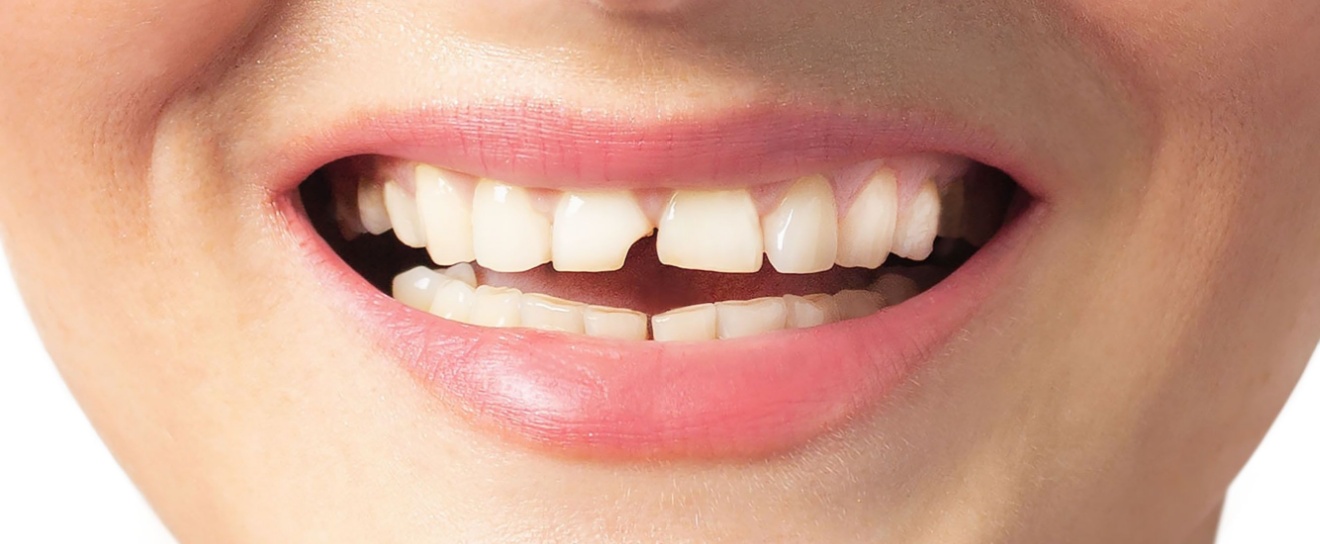
A chipped or cracked tooth is one of the more common dental issues adults deal with, and the right treatment depends entirely on where the damage is, how extensive it is, and whether the tooth is causing pain. Some chips are minor cosmetic concerns. Others involve structural damage that, if left untreated, can lead to decay, infection, or tooth loss. Our cosmetic dentistry and restorative services at Coral West Dental cover the full range of treatment options for damaged teeth in Coralville.
Why a Chipped or Cracked Tooth Needs Attention
Not every chip requires emergency treatment, but all chipped and cracked teeth should be evaluated. Damage to the outer enamel exposes the underlying dentin—a softer layer that is more permeable to bacteria and more sensitive to temperature and pressure. A crack that reaches the inner pulp of the tooth creates a direct pathway for bacterial infection, which can develop into an abscess if not addressed. Even minor chips leave a rough edge that can irritate soft tissue, collect plaque, and worsen over time.
If a chip or crack is accompanied by significant pain, swelling, or sensitivity that does not resolve, it should be treated as a dental emergency. Visit our emergency dental care page for guidance on what to do before your appointment.
Treatment Options by Severity
The appropriate treatment for a chipped or cracked tooth depends on where the damage is located and how far it extends.
Dental Bonding
For minor chips that affect only the enamel surface, dental bonding is a common first-line treatment. A tooth-colored composite resin is applied directly to the damaged area, shaped to match the surrounding tooth, and hardened with a curing light. Bonding is a single-appointment procedure and is well-suited for small chips on front teeth where aesthetics are the primary concern. It is less durable than other options and may require touch-ups over time, but it is the least invasive approach available.
Dental Veneers
For more significant chips or cracks on front teeth where appearance is a priority, a veneer may be a better long-term solution than bonding. Veneers are thin, custom-made porcelain shells bonded to the front surface of the tooth. They cover surface damage completely and are more resistant to staining and wear than composite bonding. The process requires removing a small amount of enamel from the tooth surface before the veneer is placed, which means the decision is permanent. For patients with multiple damaged or discolored front teeth, veneers can address several concerns at once. Details on our veneer services are available on the dental veneers page.
Dental Crowns
When a crack or chip is more extensive—involving a large portion of the tooth, a back molar, or any situation where structural integrity is compromised—a crown is typically the appropriate treatment. A crown covers the entire visible portion of the tooth above the gumline, restoring both its appearance and its ability to withstand chewing forces. Crowns are also used when a cracked tooth has required a root canal since the treated tooth needs full coverage to remain functional long-term. Our crowns and bridges page covers what to expect from that process.
Root Canal Treatment
If a crack has reached the pulp of the tooth, the nerve tissue inside becomes infected or inflamed. Root canal treatment removes the affected tissue, disinfects the canal, and seals the tooth. A crown is placed over the tooth afterward to protect the remaining structure. This is not a situation patients can wait out—an infected pulp does not resolve on its own, and the infection can spread to surrounding bone and tissue if left untreated.
What to Do Immediately After Chipping a Tooth
If the chip is minor and there is no pain, rinse your mouth with warm water and schedule a dental appointment within a few days. If the broken piece of tooth is recoverable, bring it to the appointment. If the chip has left a sharp edge, dental wax or sugarless gum can be used temporarily to protect the surrounding soft tissue. Avoid chewing on the affected side until the tooth has been evaluated.
If there is significant pain, visible deep cracking, or any swelling in the jaw or gum tissue, contact our office promptly for an emergency appointment. For a broader look at what tooth pain can indicate, see our post on getting to the root of your tooth pain.
Schedule an Evaluation at Coral West Dental
Our team in Coralville evaluates chipped and cracked teeth and recommends the most conservative treatment that adequately addresses the damage. To schedule an appointment, use our online scheduling page.