As a parent, you may be wondering how you can help your child avoid cavities. Tooth decay is the most common chronic disease in children. In fact, according to the Centers for Disease Control and Prevention (CDC), more than one in every four children aged 2-5 have at least one cavity or filling. The good news is that there are things parents can do to help prevent cavities in their children’s teeth. Here are some tips:
What are cavities?
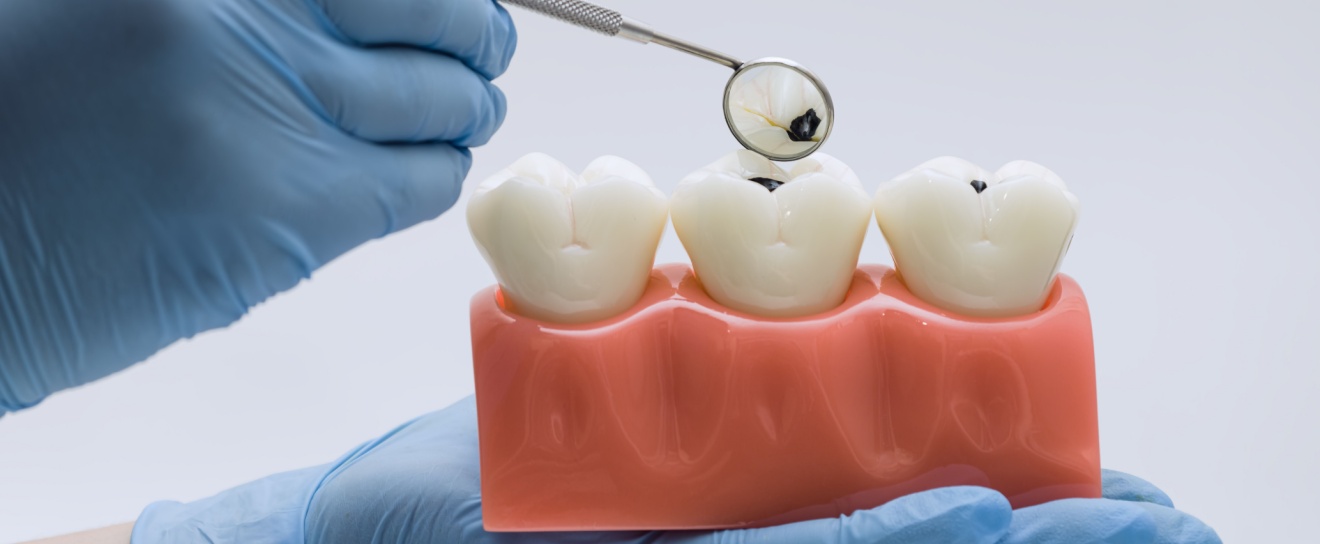
Cavities, also called tooth decay or caries, are permanent damage to teeth that starts with bacterial growth in your mouth. The acids these bacteria produce eat away your tooth enamel, causing a small hole.
Why do cavities matter?
Cavities are often considered minor dental issues, but they can lead to serious problems. Untreated cavities can cause pain, infection, and even tooth loss. Cavities also make it difficult to eat properly due to discomfort.
What are the symptoms of cavities?
Cavities are one of the most common dental problems and can occur at any age, but children are the most at risk. Some symptoms that your child may have a cavity include:
- tooth pain, especially if you eat something sweet
- sensitivity to hot or cold temperatures
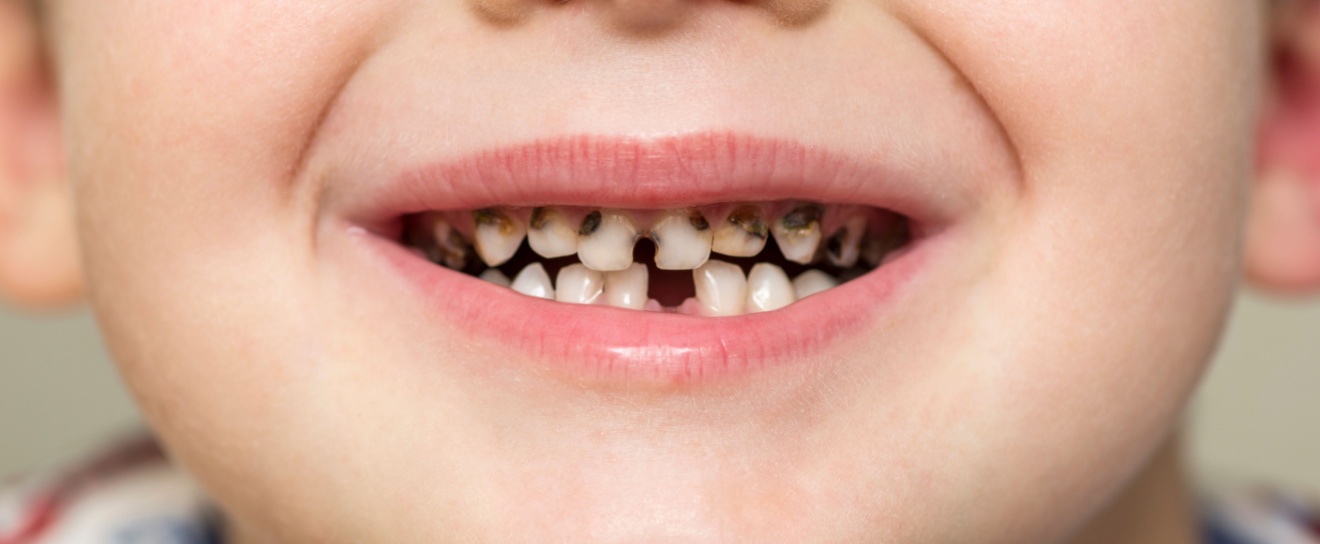
- visible pits or holes in the teeth
- dark spots on the teeth
What foods should be avoided, and which are healthy for the teeth?
To avoid cavities, it is essential to eat a healthy diet. Some foods can promote cavities, and others that can help to prevent them.
To fight cavities, avoid sugary foods and drinks and sticky candies that can cling to your teeth. You should also limit your intake of starches like bread and pasta, as they turn into sugar in your mouth. Instead, focus on eating plenty of fruits, vegetables, and lean protein. These foods will help to keep your teeth healthy and strong.
How can I help my child brush and floss correctly?
It’s essential to start teaching your child how to brush and floss correctly at a young age to avoid cavities. Here are some tips on how you can help your child brush and floss correctly:
- Show your child how to brush their teeth using circular motions properly.
- Explain to them why it’s important to floss between their teeth.
- Help them practice brushing and flossing until they can do it independently.
- Make sure they brush and floss for at least two minutes each time.
- Encourage them to use toothpaste with helpful agents such as xylitol to help prevent cavities.
What are other risk factors for cavities?
Eating well and taking care of your teeth are significant aids in helping avoid cavities. Unfortunately, other overlooked risk factors can cause your child’s teeth to decay. These factors include:
- Tooth anatomy
If there are grooves in the teeth, they are more challenging to brush. Also, if the teeth are closely crowded, this can cause cavities to form in between teeth.
- Tongue, lip, or cheek ties
Restricted movement in your child’s mouth can hinder the mouth’s ability to clean itself during chewing.
- The quality and quantity of the saliva
- Medications your child takes
How often should my child see a dentist?
It is recommended that children see a dentist every six months to ensure their teeth are healthy and prevent problems. If your child has any dental issues, they may need to see a dentist more frequently. However, if their teeth are healthy, then every six months should be sufficient.
Cavity prevention starts with good oral hygiene and a balanced diet, though genetics play a role too. If you think your child may have a problem with cavities, contact Coral West Dental. They can help your child have a healthy smile that will last a lifetime.