
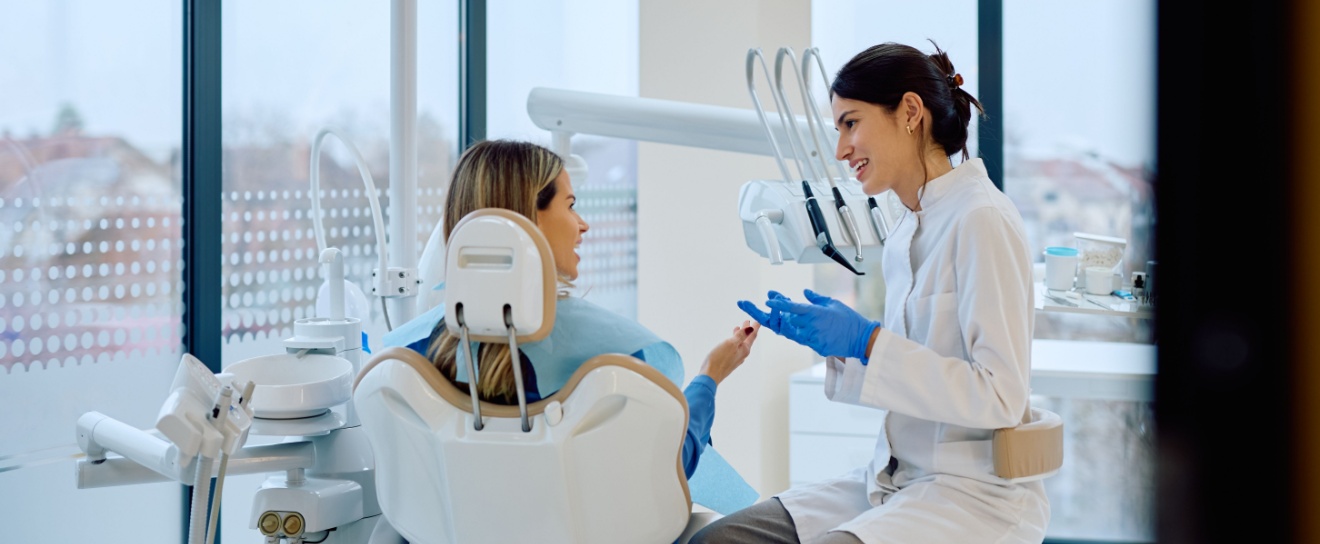
Adults skip dental visits for a lot of different reasons—busy schedules, cost concerns, anxiety about what might be found, or simply not noticing anything wrong. For patients who have gone a year or longer without a cleaning or exam, the question of whether to bother coming back can start to feel complicated. The short answer is yes; you do really need a dentist. Professional dental care addresses conditions that home routines cannot manage, and the longer those conditions go undetected, the more involved the treatment required to address them becomes.
What Home Care Does—and Does Not—Do
Brushing twice daily and flossing consistently are genuinely important habits. They remove soft plaque from accessible tooth surfaces, help control bacteria levels in the mouth, and reduce the rate at which deposits build up. For patients who are diligent about home care, the gap between appointments tends to show less accumulation and fewer emerging problems.
But there are real limits. Plaque that is not removed within about 24 to 72 hours hardens into tartar—a mineralized deposit that adheres firmly to tooth surfaces and along the gumline. Once plaque becomes tartar, no amount of brushing or flossing removes it. Only professional instruments in the hands of a trained hygienist can. Left in place, tartar is a primary driver of gum disease progression.
Beyond cleaning, there is no reliable self-assessment for the conditions that matter most. Early-stage tooth decay typically produces no pain. Bone loss from gum disease is invisible to the naked eye and painless until it is advanced. Oral cancer in its earliest, most treatable stage looks like a small spot that most people would dismiss. These conditions are identified through clinical examination, digital x-rays, and specialized imaging—none of which are available at home.
Recommended Visit Frequency
For most healthy adults and children without active dental disease, twice-yearly appointments—roughly every six months—provide adequate maintenance and monitoring. That schedule allows buildup to be addressed before it causes tissue damage, and it gives the dental team enough regular touchpoints to track changes over time and catch developing issues early.
Some patients benefit from more frequent visits. Active gum disease, a history of frequent cavities, chronic dry mouth, certain medications, or ongoing restorative work may call for appointments every three to four months. Your dentist determines the appropriate schedule based on your specific clinical picture—not a one-size-fits-all recommendation.
What Happens When Visits Are Skipped
Dental problems follow a predictable pattern: they start small, remain painless for longer than most patients expect, and then become significantly more complex once they progress far enough to cause symptoms. A cavity detected at a routine exam requires a filling. That same cavity, left untreated for another year or two, may reach the pulp of the tooth and require root canal treatment, a crown, or extraction. Early-stage gum disease that responds well to professional cleaning can advance to periodontitis, which causes irreversible bone loss and typically requires more aggressive intervention, including deep cleaning procedures or, in advanced cases, surgical treatment.
The cost difference between catching a problem early and treating it after it has progressed is substantial—both in terms of time and expense. Preventive care is significantly less disruptive than restorative care, and the gap between the two widens with each missed appointment.
Getting Back on a Regular Schedule
If it has been more than a year since your last dental visit—or several years—the most productive thing you can do is schedule an appointment and start from where you are. There is no benefit to waiting longer. Our team at Coral West Dental sees patients throughout Coralville and the surrounding Johnson County area, including those who are returning to care after an extended gap.
New patients receive a two-hour comprehensive exam that covers health history, full-mouth x-rays, cone beam 3D imaging, gum assessment, oral cancer screening, and a full discussion of findings. If cost is a concern, ask about our in-house membership plans when you contact us—they are designed specifically for patients without dental insurance. To schedule, visit our appointment page.