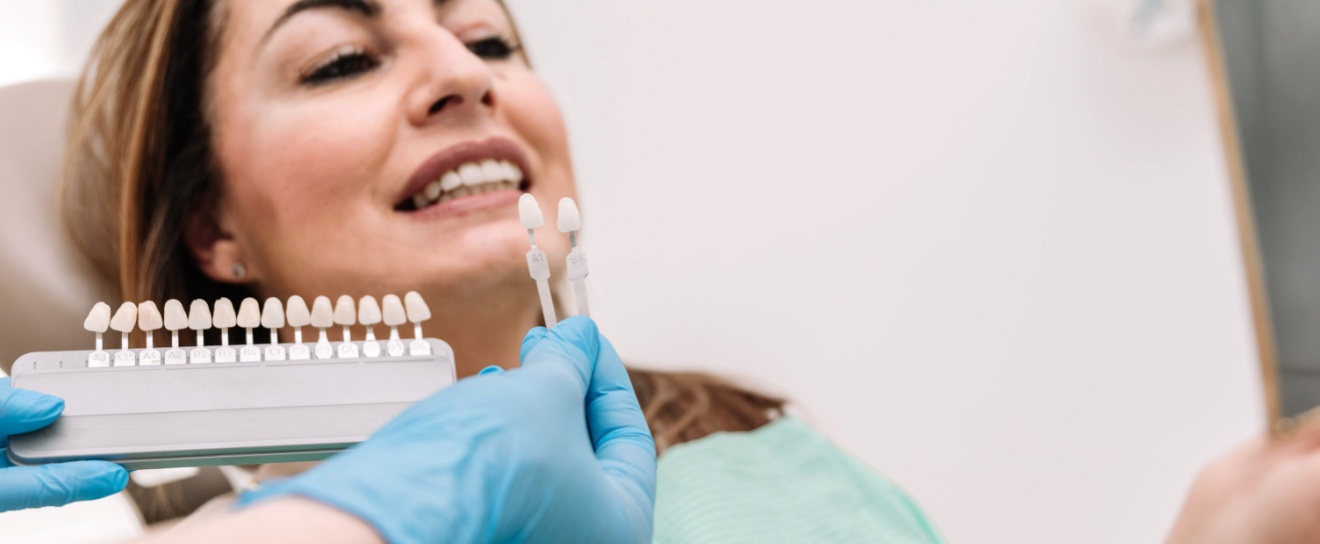
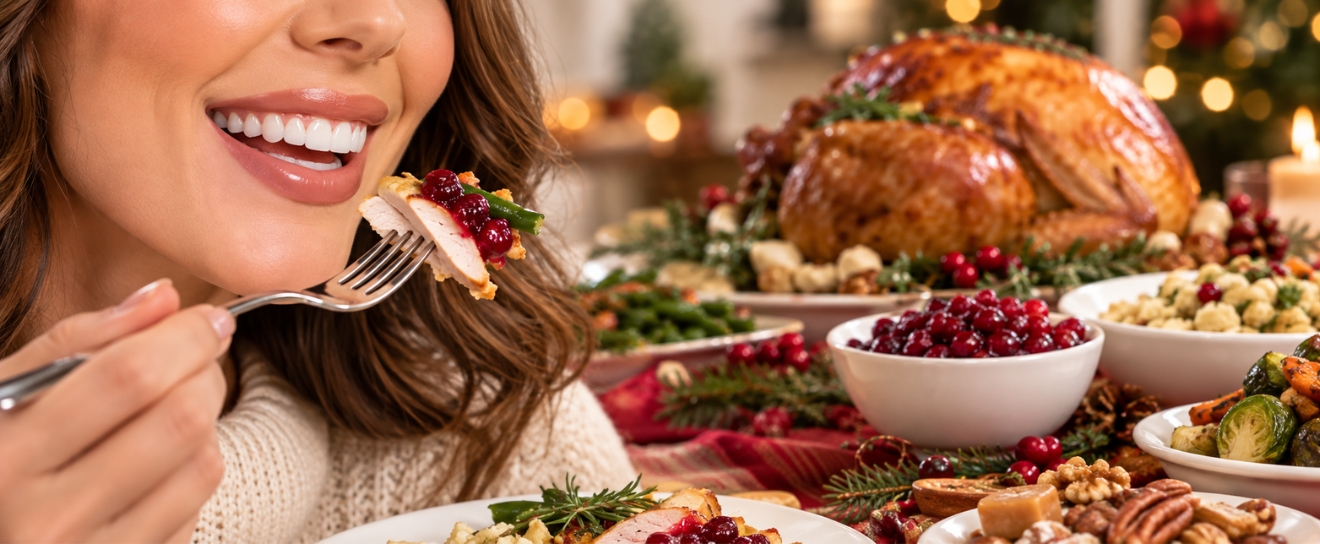
Crowns, bridges, and veneers are designed for everyday use, but hard, sticky, and very chewy holiday foods can chip a restoration or pull on a weakened edge. Thoughtful food choices and consistent cleaning can help them last. Coral West Dental provides crowns and bridges in Coralville and can check a restoration that feels loose, rough, painful, or different after a meal.
Cut Hard Foods Into Manageable Pieces
Nuts, brittle, hard candy, ice, popcorn kernels, and bones can place concentrated force on one small area. A crown covering a heavily restored tooth may handle normal chewing well while remaining vulnerable to an unexpected hard object. Veneers are thin shells on the front surfaces of teeth and can chip when used to crack nuts or bite directly into very hard foods.
Use a knife to cut crisp foods into smaller pieces. Check meat carefully for bones, and let ice cool a drink instead of chewing it. Use appropriate tools for packages, bottles, and nutshells. Teeth and restorations work best for chewing food, rather than opening or holding objects.
- A quick scan of the plate can prevent an unexpected bite. Use extra care with:
- Popcorn and snack mixes, where unpopped kernels or hard seeds can hide among softer pieces.
- Bone-in meats, especially small bones or fragments that may be difficult to see beneath sauces.
- Nut brittle, hard candies, and ice, which concentrate force on a small portion of a crown or veneer.
- Caramels, taffy, and dense dried fruit, which can cling to a crown margin or temporary restoration.
- Crusty breads and raw vegetables when biting directly with front teeth that have veneers.
Cutting food into smaller pieces allows you to use a controlled chewing motion and notice hard objects before they reach a restoration. You can still enjoy holiday favorites while reducing sudden pressure and prolonged pulling forces.
Be Careful With Sticky Desserts
Caramel, taffy, gummy candy, and dense sticky treats can cling around restoration margins. A secure restoration should remain in place, but sticky foods can dislodge a crown or temporary restoration when the cement has weakened. They also hold sugar against teeth and can be difficult to remove around a bridge.
Chew slowly and pay attention to any sudden shift. Stop eating if a crown or bridge feels mobile. Save a restoration that comes out, keep it clean, and call the dental office. Household glue can injure oral tissues and interfere with proper treatment.
Clean Along the Edges Every Day
A crown protects the visible portion of a tooth, while natural tooth structure remains beneath and along its edge. Plaque at that margin can contribute to decay and gum inflammation. Veneers also meet natural tooth structure near the gumline, and the teeth supporting a bridge require careful cleaning.
Brush twice daily with fluoride toothpaste and gentle pressure. Clean between individual teeth with floss or another recommended interdental cleaner. A floss threader, small interdental brush, or water flosser may help clean beneath a bridge, depending on its shape and your dentist’s advice.
Holiday travel can disrupt routines. Pack oral care supplies where they remain easy to reach and clean before sleep even after a late gathering. Water after meals can rinse away loose food until you can brush and floss properly.
Travel-size floss, a floss threader, interdental brushes, and a case for a nightguard are easier to remember when packed together. If you use a water flosser at home, ask the dental team which portable cleaning option is suitable for the areas beneath your bridge while you are away.
Watch the Frequency of Sugary Foods and Drinks
Each sweet snack gives oral bacteria another opportunity to produce acids. Eating a dessert with a meal creates fewer separate exposures than sampling sweets throughout the afternoon and evening. Plain water is a useful drink between meals, while repeated sips of soda, sweet tea, punch, or wine extend acid exposure.
Crowns and veneers cannot decay, but the natural teeth around and beneath them can. The teeth that support a bridge also need protection. A restoration’s appearance can stay intact while decay develops at an edge, which is one reason routine examinations remain valuable.
Address Grinding and Clenching
Holiday travel, altered sleep, and stress can increase clenching or grinding for some people. Repeated force may create soreness, small chips, or fractures in natural teeth and restorations. Wear a prescribed nightguard as directed and pack it for overnight trips.
Call if the bite suddenly feels different, a restoration develops a rough edge, or a tooth beneath a crown becomes sensitive. The dentist can inspect the restoration and check how the upper and lower teeth meet.
Protect Veneers From Direct Force
People with dental veneers should avoid biting fingernails, pens, hard candy, and food packaging. Cut apples, raw carrots, and crusty bread when direct biting places heavy force on the front teeth. Your dentist can tailor recommendations to the number, material, and location of your veneers.
Surface stain can collect around natural tooth structure even when porcelain itself resists many stains. Brush consistently and follow professional cleaning recommendations. Tell the dental team which restorations you have so the hygienist can select appropriate instruments and polishing materials.
Call After a Holiday Dental Mishap
Save any piece that breaks or comes loose. Avoid chewing on the affected side and choose mild-temperature foods if the tooth is sensitive. Dental wax may temporarily cover a sharp edge. Severe pain, swelling, bleeding, or a broken tooth beneath the restoration calls for prompt care.
A crown, bridge, or veneer that changes during a holiday meal should be checked. Arrange an appointment with Coral West Dental so we can examine the restoration and supporting tooth, explain the available treatment, and help you return to comfortable chewing.